Premium Home Security Systems: Shield Your Family Using Industry-Leading Services and Exceptional Benefits
Residential security has turned more and more critical in the modern era. With escalating apprehensions about safety, homeowners look for practical measures to protect their families. Advanced home security options offer a range of expert services developed to meet specific requirements. From sophisticated monitoring technology to professional monitoring, these solutions supply complete security strategies. Nevertheless, the question remains: how can these systems be integrated seamlessly into day-to-day living for maximum benefit?
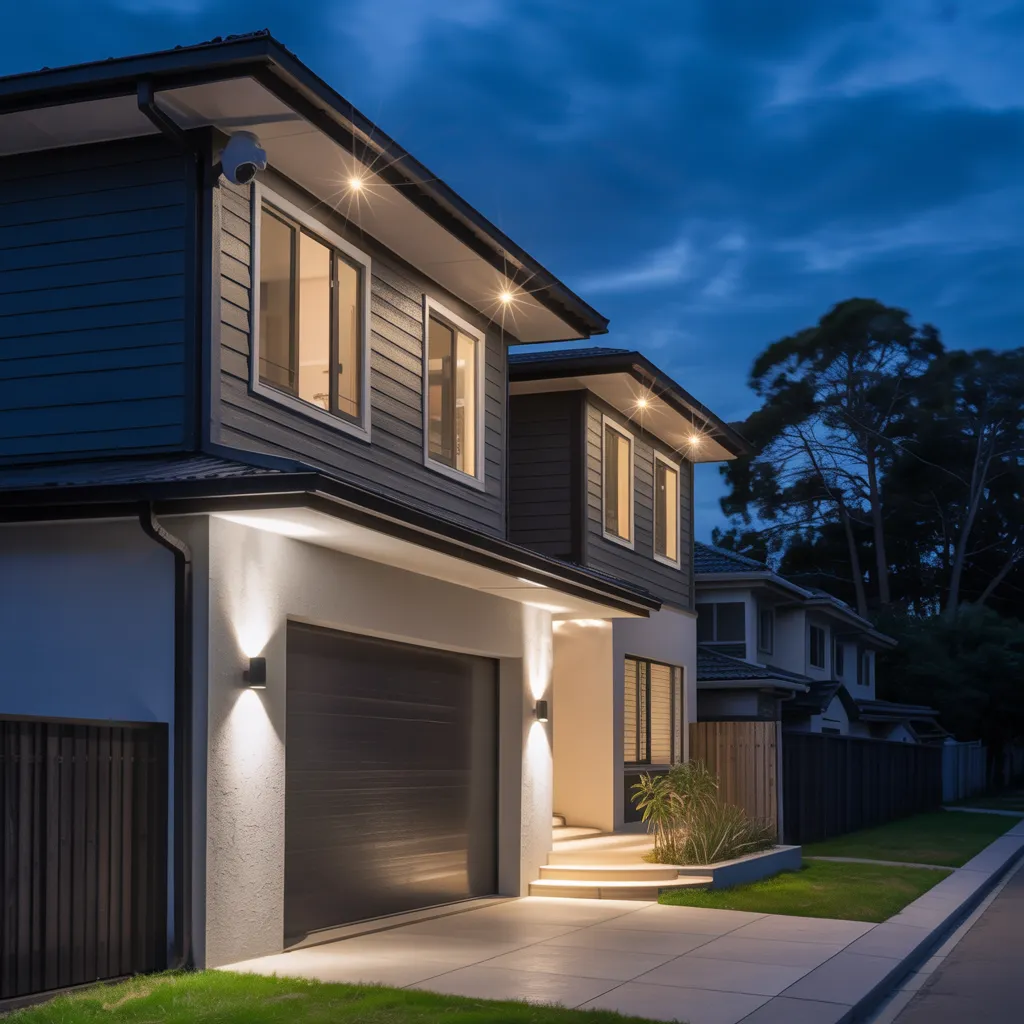
Understanding the Importance of Home Security
As homeowners increasingly recognize the value of safety, understanding the significance of home security has become critical. The increase in property crimes has made people more conscious of potential security gaps in their living spaces. A secure home not only safeguards reference physical belongings but also promotes a sense of safety and well-being among residents.
Establishing comprehensive security measures can discourage intruders and provide a layer of protection for families. This includes examining entry points, utilizing premium locks, and ensuring adequate lighting around the premises. Furthermore, the psychological advantages of a secure environment should not be underestimated; families can flourish when they feel safe in their own homes.
In a world where uncertainties abound, committing to home security serves as a preventive measure for defending loved ones and enriching quality of life. Awareness and action in this domain empower homeowners to take control of their safety and the security of their property.
State-of-the-Art Security Systems: Ensuring Continuous Oversight
How can homeowners effectively monitor their properties in an age of increasing security threats? State-of-the-art surveillance technology presents a reliable resolution, facilitating attentive oversight of domestic properties. These installations usually consist of high-resolution video equipment, activity monitors, and nocturnal vision functionality, providing comprehensive monitoring 24/7.
Home occupants can pick between wireless and wired choices, allowing flexibility depending on their particular preferences. Numerous systems also offer remote access through smartphones, permitting users to monitor live feeds and receive alerts in real time.
Moreover, features including facial recognition and cloud storage strengthen security by delivering valuable data that can deter potential intruders. Adding advanced surveillance systems into home security plans not only promotes a sense of safety but also enables homeowners to take proactive measures against threats. As technology develops, these systems remain an essential component of modern home security strategies, ensuring peace of mind for families.
Smart Home Systems: Improving Safety and Convenience
An ever-growing number of homeowners are embracing smart home technology to bolster both security and convenience. This innovative approach integrates various devices, permitting users to control their home environment remotely through smartphones or tablets. Smart locks, for example, empower homeowners to secure their doors from anywhere, ensuring peace of mind and removing the worry of forgotten keys.
Furthermore, smart cameras supply real-time monitoring and alerts, boosting situational awareness. Homeowners can receive notifications of unusual activities, permitting them to respond immediately. Smart lighting systems can mimic occupancy, deterring potential intruders by creating the illusion of an occupied home.
Additionally, voice-activated assistants can enhance daily tasks, consequently increasing convenience. By combining security features with user-friendly interfaces, smart home technology not only secures property but also elevates the overall living experience. As these technologies become more accessible, the shift towards smart homes continues to develop, reflecting a considerable shift in home security practices.

Security Alarm Systems: The Initial Defense Barrier
Alarm systems operate as an essential barrier against intruders, delivering various types customized to different security needs. These systems can be equipped with monitoring options, offering homeowners with real-time alerts and professional oversight. Understanding the available choices provides superior protection for any residence.
Types of Alarm Systems
Home security is often fortified by various types of alarm systems, each developed to satisfy distinct needs and tastes. A standard option is the intrusion alert system, detecting unauthorized access via sensors installed on windows and doors. Another is the fire alarm system, outfitted with heat and smoke detection devices to alert residents to fire hazards. In addition, environmental monitoring systems exist that detect dangers such as flooding or carbon monoxide. Wireless alarm systems are gaining popularity for their ease of installation and flexibility, while hardwired systems offer reliable, consistent performance. Smart alarm systems integrate with home automation, offering smartphone-based remote access and management. Each system type performs a crucial role in strengthening home safety and guaranteeing homeowner peace of mind.
Exploring Monitoring Options
Though multiple alarm systems supply important protection, these systems' performance heavily rests on the monitoring options implemented. Homeowners usually face three primary selections: self-monitoring, professional monitoring, and hybrid systems. Self-monitoring allows individuals to receive alerts and respond to incidents through their smartphones, providing flexibility but requiring constant attention. Professional monitoring, conversely, delivers 24/7 vigilance by trained personnel who can alert authorities as needed. Hybrid systems integrate both methods, enabling homeowners to monitor their alarms while also benefiting from professional oversight. Each option provides unique pros and cons, making it critical for homeowners to review their lifestyle and security needs. Finally, the right monitoring decision strengthens the reliability of alarm systems, delivering peace of mind.
Professional Surveillance Services: Peace of Mind Day and Night
Once a security system is paired with professional monitoring services, homeowners obtain an invaluable layer of protection that functions around the clock. These services ensure that trained professionals are always on alert, ready to respond to any security breaches or emergencies. In the event of an alarm, the monitoring center quickly assesses the situation and contacts the local authorities if required, considerably reducing response times.
Professional monitoring services deliver an additional feeling of security, allowing residents to feel secure even when they are away from home. This constant vigilance is critically valuable for families with minors or aging relatives, providing peace of mind that assistance is readily available. Moreover, many professional monitoring firms offer app-based access, allowing homeowners to check their security status in real-time. Overall, these services improve a home's security system, ensuring that safety is never compromised.
Smart Home Technology: Merging Security Throughout Daily Life
Home automation offers a seamless way to integrate security into routine living. By utilizing smart devices, homeowners can monitor their properties remotely and receive immediate alerts about potential threats. This combination increases not only safety but also convenience, allowing individuals to handle their security systems without difficulty.
Smart Device Connectivity
How can property owners successfully combine security features with daily convenience? Connected device integration delivers an effortless answer. By connecting security systems with home automation technology, homeowners can enhance safety while simplifying daily routines. Systems such as connected locks, cameras, and motion sensors can be handled through a centralized platform, allowing homeowners to observe their property environment conveniently. For example, a smart doorbell camera enables homeowners to see who is at the door without leaving their couch. Additionally, automated lighting can deter potential intruders by simulating occupancy. This integration cultivates a preemptive attitude toward residential security, as notifications and alerts can be dispatched immediately to mobile phones, ensuring that property owners remain updated while coordinating their demanding routines.
Benefits of Remote Monitoring
Although the integration of home automation systems enriches daily life, the benefits of remote monitoring shine as a vital aspect of modern security solutions. Remote monitoring gives homeowners real-time access to their property, allowing them to watch over activities and security breaches from anywhere. This capability significantly reduces response times in emergencies, as homeowners can alert authorities promptly. Moreover, remote monitoring systems often include alerts and notifications, making certain that users are alerted to any unusual activity immediately. The peace of mind that comes from knowing one can monitor their home while away leads to a greater sense of security. Finally, remote monitoring seamlessly works alongside home automation, boosting both safety and convenience for families.
Picking the Ideal Security Solutions for Your Home
Choosing the right security solutions for a property requires thorough consideration of several factors. Homeowners should first assess their specific security needs based on the property's layout, neighborhood crime rates, and personal lifestyle. Analyzing the types of threats—such as burglary, vandalism, or fire—can help identify necessary features.
Cost parameters are also vital; practical systems vary from basic alarm systems to sophisticated smart home integrations. Homeowners may select from DIY systems or professional installations, each offering different benefits.
Moreover, the integration of technology performs a important role in contemporary security solutions. Solutions like surveillance cameras, motion detectors, and remote monitoring systems enhance overall safety.
Speaking with security professionals can provide valuable insights suited to individual needs. In the end, the right choice will blend robust protection with convenience, providing peace of mind for the entire household.
Popular Questions
How Much Will a Comprehensive Home Security System Typically Run You?
A thorough home security system typically costs between $200 to $2,000, contingent upon functionality, equipment, and installation. Monthly service plans may add an additional $20 to $60, impacting the entire investment in residential protection.
Can I Set Up a Home Security System by Myself?
Indeed, numerous homeowners are capable of installing a home security system on their own. Various DIY options are available, allowing homeowners to customize their setup. That said, professional installation may provide additional expertise and guarantee peak system performance.
What Are the Most Common Security Threats Homeowners Face?
Homeowners commonly face protection concerns such as the following: burglary, vandalism, theft, and cyberattacks. Environmental risks for instance fire and natural disasters also present significant threats, demanding the need for thorough security measures to protect residents and property.
Are Security Systems Successful in Preventing Burglaries?
Home security systems are typically effective in deterring burglaries, as they deter would-be criminals and warn homeowners about suspicious activity. Studies indicate that homes with security measures experience decreased burglary rates compared to those without.
How Frequently Should I Upgrade My Home Security Measures?
Refreshing home security measures every six months is advisable. Regular evaluations ensure that systems remain reliable against emerging threats. Furthermore, upgrading technology and protocols can enhance overall protection and adapt to new security concerns.