Business Security Systems: Ensuring Operational Safety
In today's fast-paced business environment, security systems have become more than an option; they're essential for safeguarding your resources and staff. By putting in place a solid security framework, you can ward off potential threats while cultivating a culture of safety. But what exactly makes these systems powerful, and how can you adjust them to fit your specific requirements? Understanding the subtleties of business security could be the key to ensuring seamless operations and mental tranquility.
Why Security Systems Are Essential for Businesses
When you consider the potential hazards your business confronts, it's apparent why security systems are necessary. Securing your assets from theft, vandalism, and unauthorized access is essential for sustaining operational integrity. A robust security system not only shields your physical property but also boosts employee safety, promoting a secure working environment. Moreover, it helps you comply with regulations and avoid costly fines connected to safety and security breaches. Having a security system in place can prevent criminal activity, making sure your business remains a safe place for both employees and customers. By establishing security measures, you show your commitment to protecting your business's future, permitting you to focus on growth and success without the constant worry of potential threats.
How Technology Shapes Modern Business Security
With technology's ongoing evolution, it maintains a crucial part in shaping modern business security solutions. You can leverage advanced tools like artificial intelligence and machine learning to enhance threat detection and response. These technologies examine trends in real-time, allowing you to identify potential risks before they escalate. Cloud-based security systems allow for remote monitoring, giving you the flexibility to manage your security from anywhere. Mobile apps can supply instant alerts and updates, keeping you connected to your business's safety. Additionally, integrating biometric systems guarantees that only authorized personnel access sensitive areas. By incorporating these technological advancements, you're not just protecting your assets but also fostering a safer environment for workers and clients equally.
Critical Parts of an High-Quality Security System
To develop an effective security system, you should focus on key components for example surveillance camera systems and access control measures. These elements collaborate to track and manage who can gain entry to your premises. By deploying them, you can greatly enhance your firm's security.
Surveillance Camera Systems
Video surveillance systems are critical for any robust security plan, providing peace of mind and a proactive method to safety. These systems allow you to monitor your premises in real-time, discouraging potential threats and offering valuable evidence in case of incidents. When choosing a camera system, consider image quality, field of view, and low-light performance to secure clear images under various conditions. Additionally, integrating cameras with remote access features enables you to watch over your premises from anywhere. Regular maintenance and updates are crucial to keep your system performing at peak levels. By investing in a reliable surveillance setup, you enable your team to focus on operations while you secure your assets, creating a safer environment for everyone.
Entry Control Measures
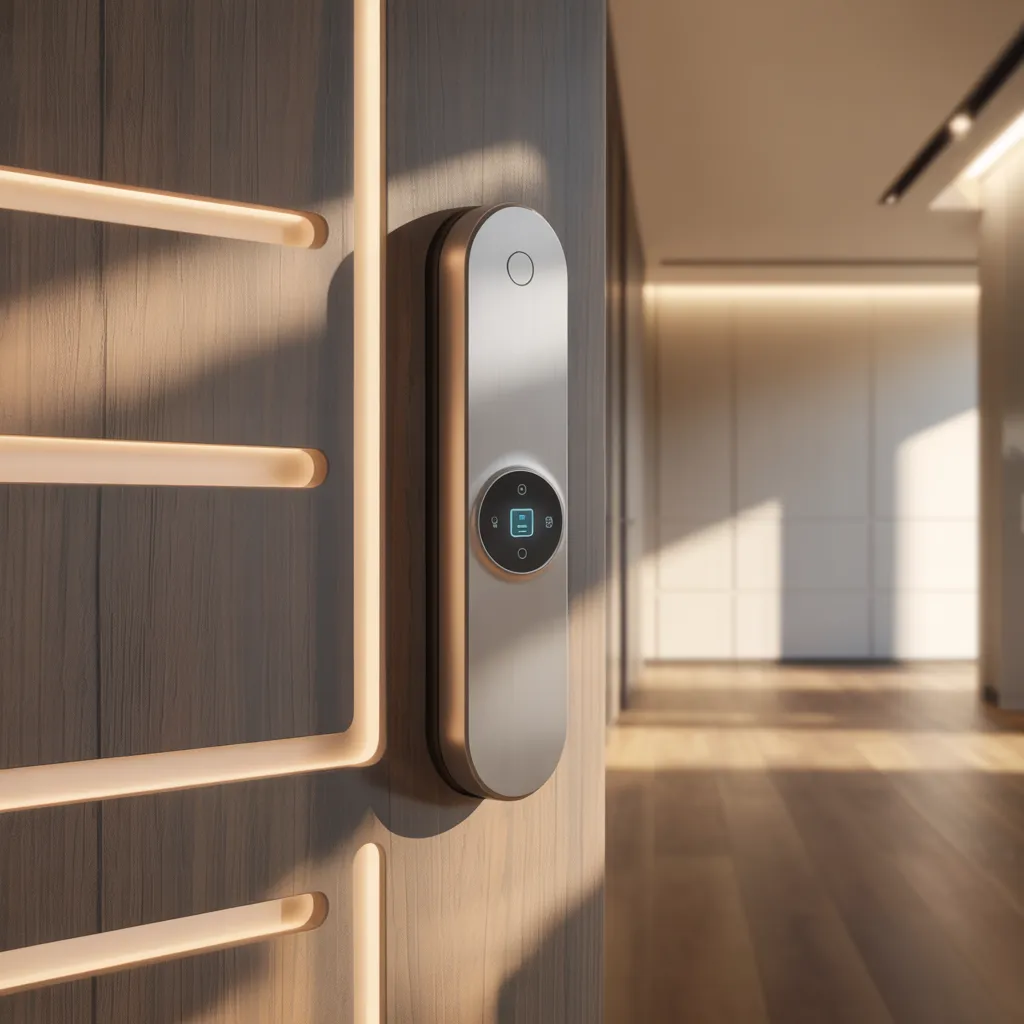
While surveillance camera systems fulfill a vital role in monitoring your business, access control systems are equally vital for protecting your premises. These systems allow you to manage who can enter specific areas, decreasing the risk of unauthorized access. You can install keycard systems, biometric scanners, or mobile access solutions to guarantee only authorized personnel can enter restricted locations.
Tracking access logs can also assist you in tracking movements within your premises, boosting accountability. Routinely updating access rights and conducting audits guarantees your security remains tight. By pairing these measures with your surveillance systems, you establish a robust security strategy that protects your assets and improves overall operational safety. Making a priority of access control is vital to maintaining a secure environment for your business.
Spotting Prevalent Safety Risks
With businesses becoming increasingly technology-dependent, detecting common security risks becomes critical for safeguarding assets and maintaining operational integrity. You should begin by evaluating potential threats, such as data breaches, unauthorized access, and physical theft. Cyberattacks, such as phishing and ransomware, can compromise sensitive information and disrupt operations. Furthermore, insider threats from employees can introduce considerable risks if proper protocols aren't followed. Don't forget environmental risks, such as natural disasters or equipment failure, which can also influence your security. By understanding these vulnerabilities, you can better prepare your organization to handle them proactively. A proactive approach to pinpointing risks assures that you stay one step ahead, ultimately protecting your business's reputation and financial stability.
Key Techniques for Evaluating Your Security Priorities
How do you effectively evaluate your security requirements to safeguard your business? Initiate the process with a detailed risk analysis. Recognize security gaps in your business, from physical access areas to digital assets. Include staff members in conversations regarding their worries and observations; they frequently identify problems you may miss. Then, assess your existing security protocols. Do they provide sufficient protection, or are there vulnerabilities? Research industry standards and best practices to benchmark your security protocols. Subsequently, factor in your business scale, location, and type of operations; these aspects determine your unique needs. Lastly, work with security experts to obtain advice customized to your circumstances. This comprehensive strategy ensures you grasp your security environment and can deploy effective solutions.
Developing Staff Competency in Security Protocol Implementation
Educating your staff on proper security measures is crucial for safeguarding your company. Consistent educational programs ensure all personnel stay informed about current dangers and optimal procedures, while interactive drill activities create hands-on and impactful educational experiences. By emphasizing security education, you empower Georgia-Florida Security & Fire your team to act confidently in safeguarding your organization.
Significance Of Security Training
Effective security training is crucial in protecting your business against potential threats. When you arm your employees with the right knowledge and skills, they become your first line of defense. Comprehending security protocols helps them detect suspicious activities and respond properly. This proactive approach minimizes risks and fosters a culture of vigilance within your organization.
Moreover, properly trained employees are more assured in their responsibilities, which can contribute to increased morale and productivity. They'll know how to address emergencies, reducing panic and confusion during important situations. By prioritizing security training, you are not only safeguarding your assets but also empowering your team to contribute to a safer work environment. Ultimately, a strong security foundation is built on educated and prepared employees.
Regular Training Sessions Needed
Although security protocols can be complex, regular training sessions help guarantee that employees grasp and implement them effectively. These sessions supply you with the tools and knowledge to navigate potential security threats effectively. By taking part in consistent training, you'll stay updated on the latest security measures and industry standards. It's crucial that everyone knows their role in maintaining safety and responding to incidents.
You'll be able to clear up confusion and raise questions in a helpful context. This promotes a culture of security awareness, making it simpler for you and your colleagues to detect vulnerabilities. Ultimately, investing in regular training not only protects your business but also equips you to support a safer workplace.
Captivating Practice Activities
Consistent training sessions set the stage for more interactive learning experiences, such as engaging simulation exercises. These simulations give you to practice real-world scenarios in a controlled environment, enabling you understand security protocols more effectively. By engaging in these exercises, you'll acquire hands-on experience, promoting quick decision-making and teamwork. You'll learn to spot potential threats and respond appropriately, strengthening your confidence in handling security breaches. Furthermore, feedback from instructors during these simulations allows you recognize areas for improvement. This active approach to training ensures that you're not just memorizing procedures but truly understanding how to apply them in real-life situations. Ultimately, engaging simulations improve your readiness and contribute to a safer workplace for everyone.
Analyze Your Security System's Efficiency
How do you determine whether your security system is functioning properly? Begin with consistent examination of incident reports and security logs. Look for patterns or frequent breaches that indicate weaknesses. Perform regular testing, such as mock intrusions, to assess your system's effectiveness. It's also crucial to gather feedback from employees about their experiences with security protocols. Do they feel secure? Do communication breakdowns exist? Additionally, consider upgrading your technology. Fresh security risks appear regularly, and old systems struggle to maintain pace. Ultimately, review your security training efforts to verify workforce competency. By examining these aspects, you'll acquire knowledge about your system's capabilities and pinpoint upgrades, guaranteeing your business maintains security and operational safety.
Popular Questions
What Do Business Security Systems Usually Cost?
Business security systems generally cost between $1,000 and $10,000, depending on your needs. Elements such as system complexity, installation, and monitoring services influence the price, so it's wise to compare options before deciding.
What Are the Legal Regulations for Business Security Systems?
You're required to follow municipal requirements, which commonly necessitate setting up alarms, surveillance cameras, and access controls. Furthermore, various industries often have special guidelines to meet, so check applicable laws for your type of business.
Is It Possible for Small Businesses to Afford Advanced Security Technology?
Advanced security technology is affordable for small businesses. Multiple solutions are offered, featuring subscription services and scalable systems. You can choose budget-friendly solutions, maintaining security without overspending.
How Frequently Should Security Systems Be Updated or Upgraded?
It's important to update or upgrade your security systems every few years, or earlier if significant technological advancements occur. Regular assessments help identify vulnerabilities, ensuring your security remains effective against evolving threats and potential risks.
What Steps Should I Take Following a Security Breach?
After a security breach, you should immediately determine the extent of the compromise, inform impacted individuals, change passwords, and reinforce your security measures. Subsequently, record the incident and analyze your protocols to avoid future breaches.